
Tax Changes Are Coming – Here’s What It Means for Your Income
If you earn income from dividends, savings, or property, the next couple of years could have a noticeable impact on how much tax you pay.
2/12/20262 min read
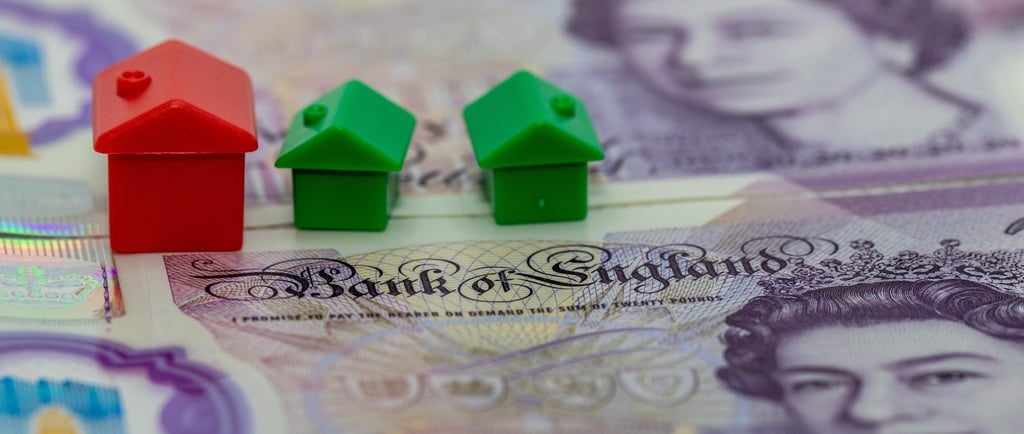

The recent announcements in the Autumn Budget aren’t just small tweaks—they signal a steady shift toward higher taxation on what many would consider “passive” income.
The key question is: are you prepared for it?
Dividends: A Subtle Change That Adds Up
From April 2026, dividend tax rates are increasing by 2%.
At first glance, that might not seem like much. But when you’re regularly drawing income from a limited company, even a small increase can quietly eat into your take-home pay.
With the dividend allowance still sitting at just £500, most business owners are already paying tax on the majority of what they withdraw.
What does this mean for you?
If dividends are part of your income strategy, it may be time to rethink how and when you extract profits.
Savings: More Tax on Your Interest
From April 2027, savings income will also be taxed more heavily, with rates increasing across all bands.
While the Personal Savings Allowance remains in place, it doesn’t take much—especially with today’s interest rates—to exceed it.
In practical terms:
If you’ve built up cash reserves or hold funds outside of ISAs, more of your interest could soon become taxable.
Property Income: A Bigger Shift for Landlords
Landlords will see both a rate increase and a structural change from April 2027.
Rental income will be taxed separately, and like savings, will face higher rates.
Combined with existing restrictions on mortgage interest relief, this adds another layer of pressure on profitability.
The reality:
Owning rental property is becoming less tax-efficient unless it’s structured carefully.
Why This Matters More Than It Seems
Individually, these changes might look manageable.
But together, they create a cumulative effect:
Higher tax on dividends
Higher tax on savings
Higher tax on rental income
Less flexibility in how your income is taxed
Over time, this can significantly reduce your net income—especially if you rely on multiple income streams.
So, What Should You Be Doing Now?
This isn’t about reacting at the last minute.
The fact these changes are staged (2026 and 2027) gives you something valuable: time to plan.
That could mean:
Reviewing how you take income from your business
Making better use of tax-efficient wrappers like ISAs
Looking at whether your property structure is still right
Timing income more strategically
Small adjustments now can make a meaningful difference later.
Don’t Wait Until It Costs You
Tax changes like these don’t usually feel urgent—until they start affecting your bank balance.
By then, many of the opportunities to plan effectively have already passed.
If you’re earning from dividends, savings, or property, now is the right time to take a closer look.
At UATA, we help business owners and individuals stay ahead of changes like these—not react to them.
If you want clarity on how these changes will affect you (and what you can do about it), get in touch with our team.
Contacts
+44 114 698 7579
enquiries@uata.co.uk
Subscribe to our newsletter


© 2026 UNITED ACCOUNTANTS & TAX ADVISORS LTD. All content copyright. Registered in England & Wales. Company No. 14070553. Registered Office: 17 Bellhouse Road, Sheffield, South Yorkshire, England, S5 6HJ. Authorised and regulated where applicable.